The Life-Changing Impact Of Neonatal Physical Therapy In The NICU
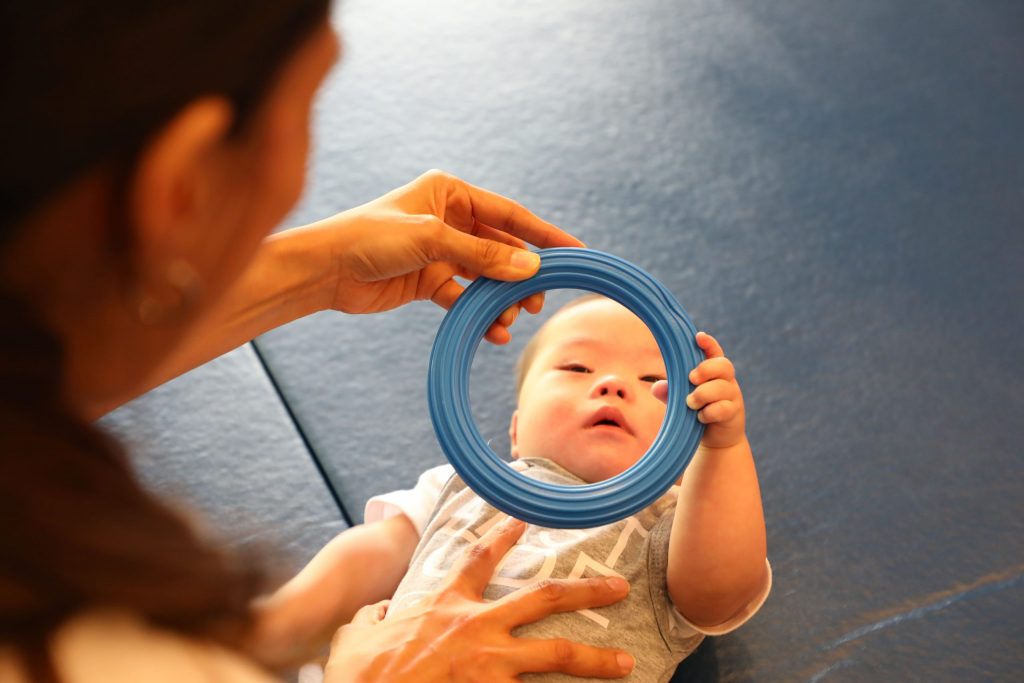
Life in the neonatal intensive care unit can be challenging for newborns who arrive early or face health concerns after birth. Their small bodies require support as they grow stronger and develop basic movement skills. Physical therapy gives these babies gentle support during this important stage. With skilled care and simple techniques, neonatal physical therapy supports healthy movement, comfort, strength, and early development from the very beginning.
Supporting early movement
Newborns in the NICU may spend long periods in one position because of medical treatment. A physical therapist uses gentle movements to support muscle activity and joint flexibility. These exercises suit the baby’s size, age, health condition, and energy level. Therapists also watch body movements closely. They look at muscle tone, posture, reflexes, and responses during sessions. This information helps them choose suitable activities for each baby.
Helping babies build strength
Premature babies may have weaker muscles because they spend less time developing inside the womb. Physical therapy supports gradual muscle development with safe movements and positioning. Therapists may guide the baby’s arms and legs, encourage small movements, and use supportive positions. These simple activities give the body useful stimulation while keeping the baby comfortable.
Supporting healthy development
Early physical therapy also supports important developmental skills. Newborns gradually learn to control their head, move their limbs, and respond to touch and sound. A therapist introduces suitable activities that support these early skills. Parents also learn simple techniques they can use during daily care. This gives babies regular opportunities to practice movement in a calm setting.
Improving comfort and positioning
Comfort matters greatly inside the NICU. Physical therapists use positioning techniques that support restful sleep, body alignment, and comfortable movement. Proper positioning also helps reduce unnecessary strain on developing muscles and joints. Therapists may use soft supports or adjust the baby’s position during rest and care.
Supporting parents with practical guidance
Parents may feel unsure when their baby receives intensive medical treatment. A physical therapist explains each activity in simple language and shows parents how to interact with their baby safely. This guidance gives families confidence during feeding, holding, diaper changes, and other daily activities. Parents also learn signs that show when their baby feels comfortable or overstimulated.