How EYFS Encourages Curiosity Through Structured Play
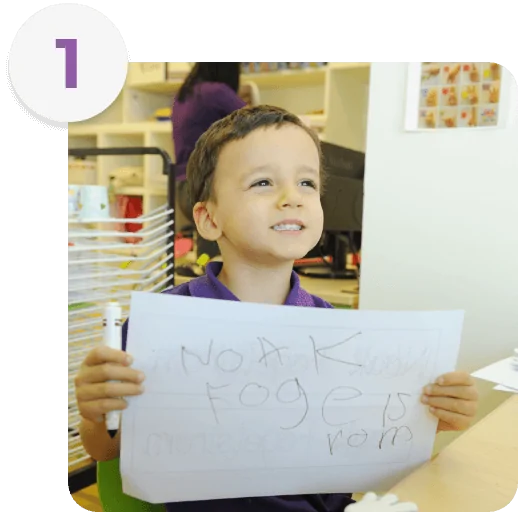
Children learn best when they explore, question, test ideas, and discover answers through active experiences. Structured play gives young learners clear goals while leaving room for imagination and choice. In early education, the EYFS Dubai supports this balance by helping teachers design playful activities that spark questions, build confidence, and encourage children to explore their surroundings with interest.
Play gives children room to explore
Structured play offers children a clear activity with enough freedom to investigate ideas independently. Teachers introduce resources, simple rules, or a specific goal, then allow children to experiment. A water activity, for example, lets children pour, compare, predict, and observe. These small discoveries encourage children to ask questions and develop a natural interest in how things work.
Teachers guide curiosity through questions
Teachers support curiosity by asking thoughtful questions during play. Instead of giving immediate answers, they encourage children to explain their ideas and test their thoughts. Questions such as “What do you think will happen?” or “How could we make it taller?” invite deeper thinking. This approach helps children express ideas, listen to others, and develop confidence through discussion.
Structured activities support problem solving
Playful challenges give children practical opportunities to solve problems. Building blocks, puzzles, sorting games, and role play encourage learners to test different ideas until they find an approach that works. Teachers observe these moments and offer small prompts when children face difficulties. Each attempt gives children useful experience with reasoning, decision making, and flexible thinking.
Curiosity grows through hands on learning
Hands on activities make learning active and memorable. Children touch materials, move objects, arrange items, draw patterns, and experiment with simple tools. These experiences encourage them to investigate using their senses. A nature tray, for instance, may inspire children to compare leaves, examine textures, and group objects by size. Such play supports curiosity while developing early communication and observation skills.
Play connects learning across areas
Structured play allows several learning areas to work together within one activity. A pretend shop can introduce counting, language, social skills, and creative expression at the same time. A construction task can involve shapes, measurement, teamwork, and problem solving. Teachers use these activities to connect new ideas with familiar experiences, helping children understand concepts through enjoyable and meaningful participation.