The Difference Between Decorative And Structural Metal Work
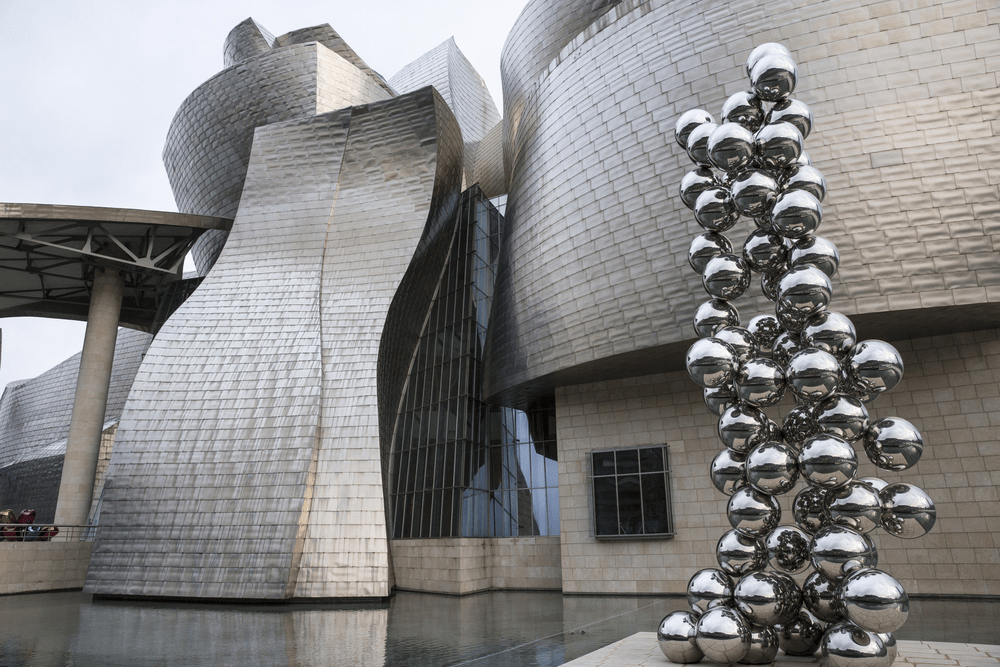
Metalwork can serve very different purposes within a building, product, or industrial project. Some pieces add visual character through shapes, patterns, and finishes, while others provide essential support, stability, and strength.
Although both rely on precision and skilled fabrication, their design priorities and performance requirements can vary considerably. The distinction between decorative and structural metal work often comes down to the role each piece plays within the final project.
Understanding decorative metal work
Decorative metal work focuses on visual appeal and detailed craftsmanship. Fabricators use steel, aluminium, brass, and other metals to produce gates, railings, screens, stair features, wall panels, and ornamental details. Curved lines, custom patterns, textured finishes, and polished surfaces give each piece its own character.
Designers usually select decorative metal for areas where appearance receives close attention. Although these pieces may offer some practical function, their primary purpose remains visual impact and architectural expression.
Exploring structural metal work
Structural metal work focuses on strength and stability. Fabricators produce beams, columns, frames, supports, platforms, brackets, and other components that handle specific loads. Engineers calculate dimensions, material grades, connections, and load ratings before fabrication begins.
Steel remains a common choice because it offers high strength and reliable performance across many building applications. Structural components also follow technical standards that guide fabrication, welding, inspection, and installation. Precision matters because small errors can affect the performance of an entire assembly.
Comparing materials and fabrication
Decorative and structural projects use similar metals, but fabrication priorities differ. Decorative work places greater emphasis on shape, finish, texture, and fine detailing. Structural fabrication focuses on dimensions, weld quality, connection strength, tolerances, and load capacity.
Cutting, bending, drilling, welding, grinding, and coating techniques support both categories. Skilled fabricators select each process according to the final purpose of the component. Material thickness also varies according to design requirements, expected loads, and installation conditions.
Choosing the right metal solution
The right category starts with the intended function. A decorative railing may feature intricate patterns and polished surfaces, while a structural railing may focus on safety and resistance to heavy loads. Some projects combine both approaches, using strong metal frames with decorative panels or custom finishes.
This combination gives architects greater design freedom while preserving dependable performance. Clear drawings, accurate measurements, suitable materials, and skilled fabrication help achieve the intended result.