Smart Hedging Strategies Every Vessel Operator Must Follow
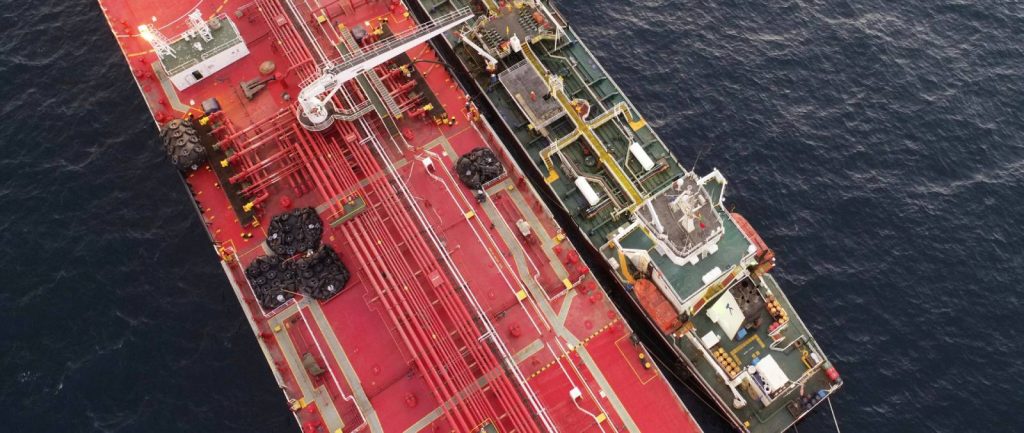
Shipping companies face constant pressure from fuel costs, freight rates, and market uncertainty. Even small price swings can affect profit and daily operations. Vessel operators who prepare for these changes stay in a stronger financial position and make better business decisions.
Fuel management deserves close focus because it directly affects operating costs. Staying informed about bunker prices Fujairah helps operators reduce financial risk and improve budget control.
Understand fuel price trends:
Fuel markets shift with global demand, supply levels, weather events, and regional factors. Vessel operators should monitor price reports and industry updates on a regular basis. Current information supports faster decisions and reduces the chance of unexpected spending. Reviewing historical data also helps identify common price patterns before making fuel purchases.
Spread fuel purchases over time:
Buying all fuel at one price can increase financial risk. A better approach involves purchasing fuel in smaller quantities across different periods. This method lowers the impact of sudden price spikes and keeps average fuel costs stable. Regular purchasing also gives operators greater flexibility during market changes.
Use financial hedging tools wisely:
Many vessel operators use financial contracts to reduce exposure to fuel price increases. These tools lock in fuel costs for future periods and support predictable budgeting. Operators should match hedging contracts with expected fuel consumption instead of making oversized commitments. Clear objectives help keep risk under control.
Build a flexible fuel strategy:
Fuel planning should match trading routes, seasonal demand, and vessel schedules. Operators who review fuel plans frequently can adjust purchasing decisions before market conditions change. Flexibility supports better cost management and avoids rushed buying during periods of high prices. Regular reviews also help identify savings that may otherwise go unnoticed.
Work with reliable fuel suppliers:
A trusted supplier offers consistent fuel quality, fair pricing, and dependable delivery schedules. Long-term business relationships also improve communication during market fluctuations. Reliable suppliers can provide useful market insights that support informed purchasing decisions. Strong supplier partnerships reduce operational disruptions and improve fuel management.
Track performance and improve decisions:
Successful hedging requires regular performance reviews. Vessel operators should compare projected fuel costs with actual spending and measure the results of each strategy. This information highlights successful practices and identifies areas that need improvement. Data-driven decisions support steady financial performance and reduce unnecessary expenses over time.